Why Brushing Up Up Asbestos Dirt Makes Things Worse
When you sweep asbestos dirt, you're perturbing the polluted surface and force microscopic asbestos fibers right into the air, where they can stay suspended for hours. Standard sweeping doesn't get rid of these fibers— it just rearranges them and makes breathing far a lot more likely. Even minimal exposure enhances your life time risk for conditions like asbestosis, lung cancer cells, and mesothelioma. Common cleaning methods can't make the location secure. Discover what you should do alongside secure your health and home.
Takeaways
- Sweeping asbestos dirt literally perturbs infected surfaces, causing dangerous fibers to become air-borne and enhancing breathing danger.
- Mechanical sweeping does not remove asbestos fibers yet redistributes them, causing prolonged contamination throughout the location.
* Airborne asbestos fibers are extremely tiny, staying suspended for hours or days after sweeping.
 * Conventional sweeping spreads fibers right into formerly uncontaminated locations, intensifying overall direct exposure and health dangers.
 - Brushing up can launch fibers also from materials that appear wet or worked out, further raising the threat.
Where You May Locate Asbestos Dust
When you encounter buildings constructed prior to the 1980s, there's a considerable possibility you'll run into asbestos dirt in specific locations. Asbestos was commonly utilized in structure materials due to its fireproof and insulating properties. You're most likely to find asbestos dirt in attic room insulation, especially if the insulation appears loose, gray, or pebble-like— such as vermiculite insulation, which commonly included asbestos fibers. Garage insulation is another regular resource, because older garages often used asbestos-containing boards or spray-applied insulation for fireproofing and thermal administration. In addition, asbestos dust may build up around weakening ceiling tiles, pipe insulation, and wall surface panels. Identifying these products is vital because disturbing them can launch asbestos fibers. Always technique potential asbestos resources with care and prevent actions that might create dust.
Why Is Asbestos Dust So Unsafe?
You need to comprehend that asbestos dust is harmful because its tiny fibers can be easily breathed in and lodged in your lungs. Scientific research studies show that exposure brings about serious lasting health results, consisting of asbestosis, lung cancer cells, and mesothelioma cancer. Considering that these fibers persist in the air, even minimal disruption can trigger recurring contamination and danger.
Tiny Fiber Inhalation Dangers
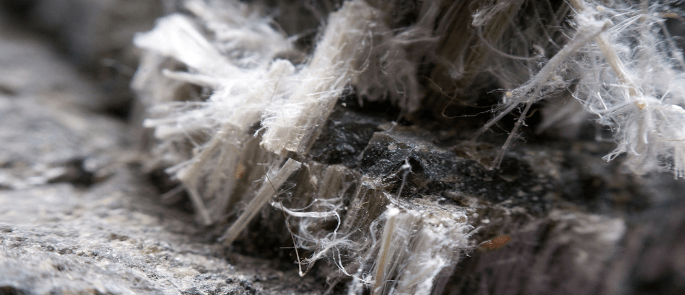
Although asbestos appears as a safe mineral to the nude eye, its dust consists of microscopic fibers that present significant health and wellness threats when breathed in. When you disturb asbestos-containing materials, such as by sweeping, you generate airborne fragments that are unseen and conveniently inhaled. Because of their little dimension, these fibers bypass your body's all-natural respiratory system defenses and penetrate deep right into the lungs. Breathing uptake of asbestos fibers can happen despite marginal direct exposure, as the particles continue to be suspended airborne for prolonged periods. Unlike common dirt, asbestos fibers do not liquify or break down within lung cells, boosting the risk of retention. This persistent presence of fibers in your breathing system is what makes inhaling asbestos dust specifically dangerous, even if you can not see or feel it.
Long-Term Health Consequences
Since asbestos fibers can stay trapped in lung tissue for decades, exposure is strongly linked to a number of serious, lasting health results. When you breathe in these tiny fibers, they bypass your body's natural defenses, installing deep within the respiratory system. Asbestos latency-– the duration in between initial direct exposure and disease start— can extend 20 to half a century, making early detection difficult. With time, relentless fiber irritability results in scarring (asbestosis), damaged lung function, and a raised mesothelioma risk. Mesothelioma cancer, an unusual and hostile cancer of the lung or stomach cellular lining, is nearly specifically brought on by asbestos exposure. Additionally, you face boosted threats for lung cancer cells and other respiratory illness even at reduced exposure degrees. These outcomes highlight the value of rigorous asbestos control actions.
Relentless Airborne Contamination
Regularly forgotten, the risk of asbestos dust hinges on its persistent capacity to remain air-borne long after preliminary disruption. When you try to sweep asbestos-contaminated surface areas, you inadvertently trigger air-borne resuspension, creating microscopic fibers to stick around in the atmosphere. These fibers are not quickly eliminated with typical cleaning, as their tiny size enables them to avert bit deposition, staying put on hold for extended periods.

System
Effect On Air Quality
Airborne resuspension
Long term fiber direct exposure
Fragment deposition
Ineffective removal
Fiber size (microscopic)
Boosted inhalation risk
Insufficient cleaning
Persistent contamination
This relentless airborne contamination means you're constantly at danger of breathing in asbestos fibers, even hours or days after cleaning up efforts. Reliable reduction calls for specialized removal methods, not traditional sweeping or completely dry cleansing.
Exactly How Sweeping Spreads Asbestos Dust
Brushing up can accidentally trigger asbestos fibers to end up being airborne, noticeably increasing the risk of breathing. When you make use of a mop on an infected surface area, the physical anxiety interrupts asbestos-containing dust, promoting airborne diffusion of microscopic fibers. This process is called fiber resuspension, where resolved fragments are lifted and suspended back right into the breathing area. Unlike bigger dust particles, asbestos fibers are light-weight and can stay airborne for prolonged durations, elevating direct exposure threats. Proof suggests that mechanical activities, such as sweeping or dry cleaning, do not get rid of asbestos dust yet instead redistribute it within the setting. Therefore, you're not only stopping working to remove the hazard, however you're likewise raising the probability that asbestos fibers will certainly be inhaled by anybody present in the area.
Indications You Might Have Asbestos Dirt in the house
Given the risk of air-borne asbestos fibers throughout routine cleaning, it is essential to acknowledge indicators that your home might include asbestos dirt. You should start by examining your home's building date; residential properties constructed prior to the 1980s are more probable to have asbestos-containing materials. Abject insulation, falling apart floor tiles, and worn-out textured ceilings can additionally launch fibers, affecting indoor air high quality. visit website If you see consistent dust that transplants quickly after cleaning, this can be an indication. Checking your health and wellness with a sign list is crucial; early warning signs include chronic coughing, lack of breath, and breast rigidity. While these symptoms are nonspecific, their existence warrants further examination. If you believe asbestos dust, prevent disrupting the location and take into consideration professional air high quality screening for verification.
More Secure Ways to Tidy Up Asbestos Dust
To decrease airborne fiber exposure throughout asbestos dirt cleanup, you'll need to use a HEPA vacuum developed for unsafe products. It's additionally necessary to apply wet cleansing methods, as moisture subdues dust and minimizes fiber release. These evidence-based approaches are suggested by governing agencies to ensure risk mitigation.
Use HEPA Vacuum Only
Rely upon a HEPA vacuum cleaner when resolving asbestos dirt, as its sophisticated purification system catches particles as little as 0.3 microns with 99.97% efficiency. Typical vacuum cleaners or sweeping methods disperse asbestos fibers, raising exposure risk. Using a HEPA vacuum cleaner not only has the hazardous dust however also decreases airborne contamination. To maximize security and functional effectiveness, you have to focus on the following:
- HEPA upkeep: Constantly inspect the vacuum cleaner for honesty and signs of wear to avoid leaks or system failing.
- Filter replacement: Replace the HEPA filter according to manufacturer guidelines, as a saturated filter lowers filtering efficiency and can release fibers.
- Correct disposal: Seal and throw away utilized filters and vacuum components as asbestos waste, protecting against secondary environmental contamination.
Always focus on engineered controls over manual cleansing techniques.
Use Damp Cleaning Approaches
Decrease asbestos fiber launch by employing wet cleaning techniques, which substantially reduce dirt generation contrasted to dry methods. https://highburyasbestosremoval.co.uk When you use damp wiping or damp cleaning, water binds asbestos fibers, avoiding them from coming to be air-borne and consequently inhaled. This technique is sustained by work safety and security standards, which constantly suggest wet techniques over completely dry sweeping or dusting. You'll intend to ensure that all surface areas are thoroughly wetted prior to cleaning; this consists of floorings, wall surfaces, and any straight surfaces where asbestos dirt may resolve. Constantly use non reusable towels or wipe heads, and discard them appropriately to prevent second contamination. Avoid excessive frustration, as also wet materials can release fibers if disturbed vigorously. By adhering to these evidence-based practices, you considerably reduced the danger of asbestos direct exposure throughout cleaning.
What to Do If You've Already Swept Asbestos Dirt
Although sweeping asbestos dirt can inadvertently increase air-borne fiber focus, it is essential to take instant and educated actions to lower wellness risks. If you have actually already brushed up asbestos dirt, concentrate on reducing additional direct exposure and addressing possible consequences. get help here Evidence indicates that breathed in fibers might present long-lasting health and wellness dangers, so early intervention is necessary.
- Sanitize yourself and affected areas: Adjustment clothing, shower, and avoid spreading out dirt to various other places. Isolate the contaminated area.
- File the incident: Document information about the direct exposure occasion, which can be helpful if you need to pursue legal solutions or payment.
- Look for assistance: Consult a medical care company for medical guidance and take into consideration connecting for psychological assistance, as asbestos direct exposure can cause significant anxiousness and anxiety.
Act quickly to protect your health and that of others. R&D asbestos survey
When Should You Call an Asbestos Pro?
If you have actually managed asbestos dirt or suspect contamination, there are circumstances where specialist treatment is necessitated to ensure security and regulatory conformity. You should call an asbestos pro if the damaged location is bigger than a minor spill, if dust has infected a/c systems, or if vulnerable populations (youngsters, elderly, immunocompromised) might be revealed. Qualified technicians will carry out a complete asbestos examination to examine the extent and sort of contamination. Attempting to tidy or eliminate asbestos products yourself boosts the threat of air-borne fiber release, resulting in potential wellness threats and lawful responsibility. Expert removal follows strict control, purification, and disposal procedures, lessening direct exposure and ensuring compliance with neighborhood and federal guidelines. Don't run the risk of improper handling— involve accredited specialists for complete danger monitoring.
Secret Dos and Do n'ts for Asbestos Dirt Safety
Also small call with asbestos dirt poses severe wellness risks, so adhering to established safety and security methods is crucial when handling prospective contamination. Trick dos and do n'ts facility on reducing air-borne fibers and avoiding direct exposure. You ought to never interrupt asbestos-containing materials without correct personal training, as inappropriate handling boosts risk. Air tracking is important to verify that fiber levels stay within governing restrictions during and after cleaning. Constantly utilize proper individual safety tools and containment strategies. asbestos artex removal
- Do get personal training in asbestos safety before taking care of or cleansing polluted areas to make certain you recognize right treatments.
- Don't move, vacuum cleaner, or use pressed air on asbestos dirt— these actions disperse hazardous fibers right into the air.
- Do implement continuous air surveillance to assess the effectiveness of control steps and safeguard health.
Frequently Asked Concerns
Can Asbestos Dirt Influence Animals or Kid Differently Than Adults?
Yes, asbestos dust can influence pet dogs or children in different ways than adults as a result of their higher sensitivity and raised developing risk. You ought to know that children's respiratory system systems are still creating, making them much more at risk to air-borne fibers. Animals, as a result of their size and close call with floors, may likewise inhale greater concentrations. Scientific evidence reveals that very early or higher direct exposure raises the chance of long-lasting health and wellness difficulties, including respiratory system illness and cancers.
For How Long Does Asbestos Dust Remain Dangerous airborne?
You'll find that asbestos dust can continue to be unsafe in the air for as much as 72 hours, according to the EPA, due to its long-term perseverance. These tiny fibers have a slow bit settling rate— meaning they can remain air-borne much longer than regular dirt. Due to their dimension and weight, they're conveniently inhaled, posturing substantial health and wellness risks. This persistence makes it vital to prevent disturbing asbestos-containing materials without specialist intervention.
Does Insurance Cover Asbestos Dust Removal Expenses?
Insurance responsibility for asbestos dirt removal prices commonly depends on your plan type. The majority of basic homeowner's insurance policy excludes remediation protection because of asbestos being taken into consideration a toxin and a pre-existing problem. Nonetheless, some industrial or customized environmental obligation insurance policy might include protection if asbestos contamination happens due to a covered hazard. You'll need to review your policy exclusions and recommendations very closely or consult your insurance firm to establish your eligibility for remediation insurance coverage.
Exist Any Federal Government Programs to Assist With Asbestos Elimination?
Yes, there are government programs that can aid you with asbestos elimination. Lots of states use state gives or reduced passion financings particularly created for asbestos reduction in residential and public buildings. Eligibility requirements and financing availability differ, however these programs frequently prioritize health and wellness. You'll need to check your state's environmental or housing agency sites for application information and current offerings, as evidence reveals these sources can substantially counter removal prices.
Can Air Purifiers Help In Reducing Asbestos Dirt Inside Your Home?
Photo a fine web catching unnoticeable dangers in the air— indeed, air purifiers can assist reduce asbestos dust inside if you use those furnished with true HEPA filters. HEPA performance depends on recording fragments as little as 0.3 microns, that includes asbestos fibers. Proper filter positioning is essential; for peak outcomes, placement cleansers where air flow isn't blocked and ensure routine filter changes. Still, professional reduction continues to be the gold standard for safety and security.